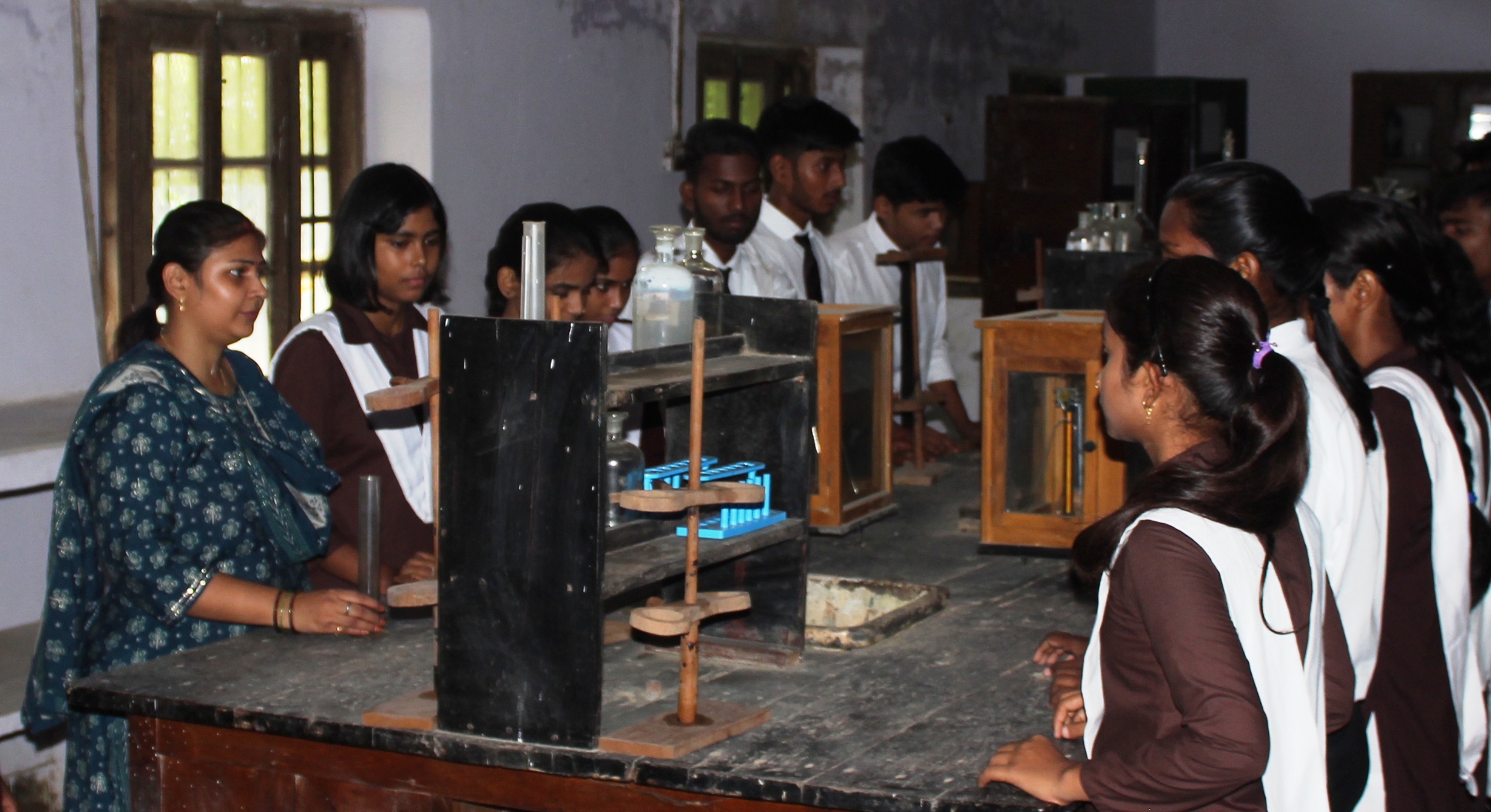
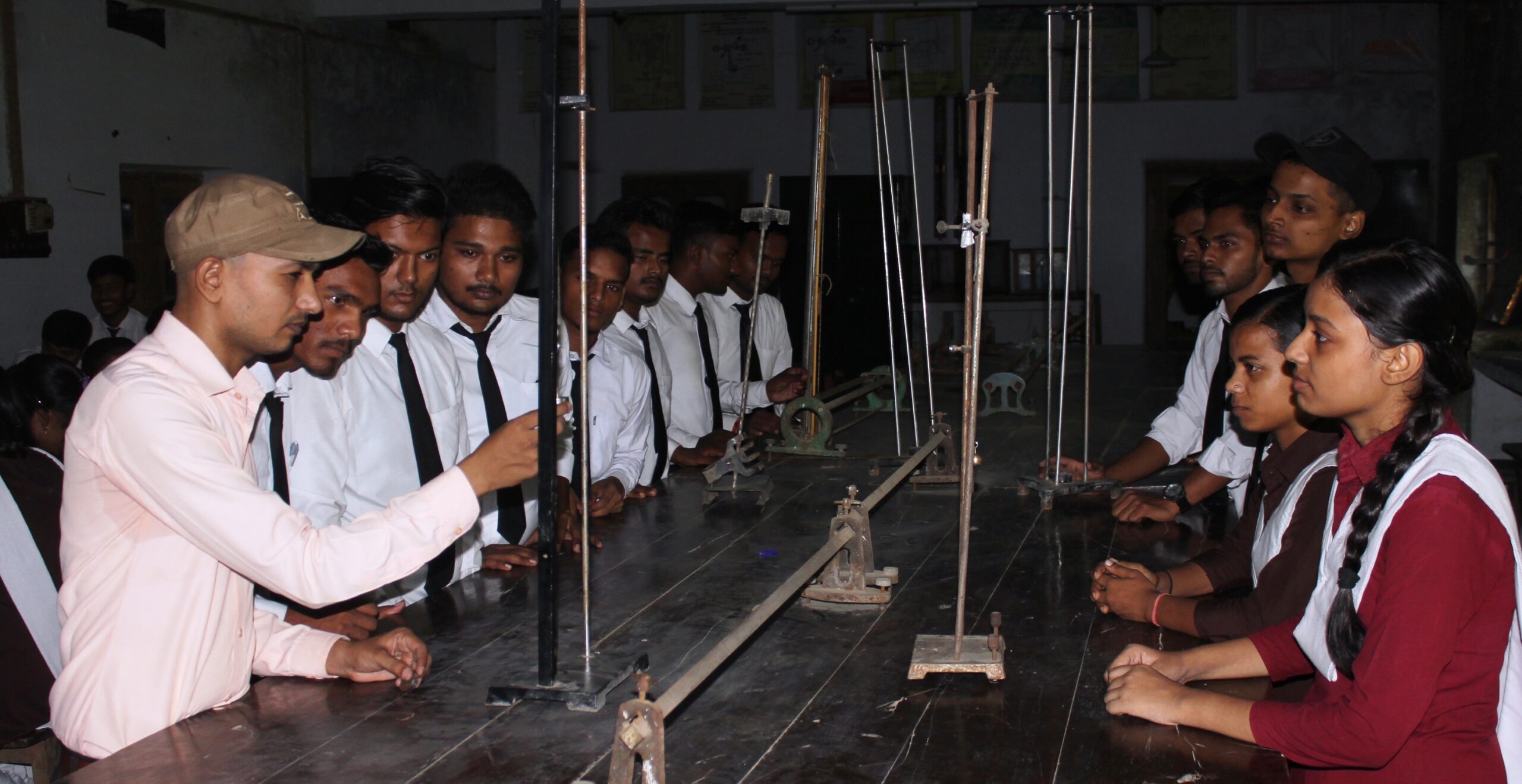
The laboratory infrastructure is to be robust and comprehensive, covering various engineering disciplines and basic sciences. Here’s a breakdown of the number of laboratories available for each department:
Civil Engineering:
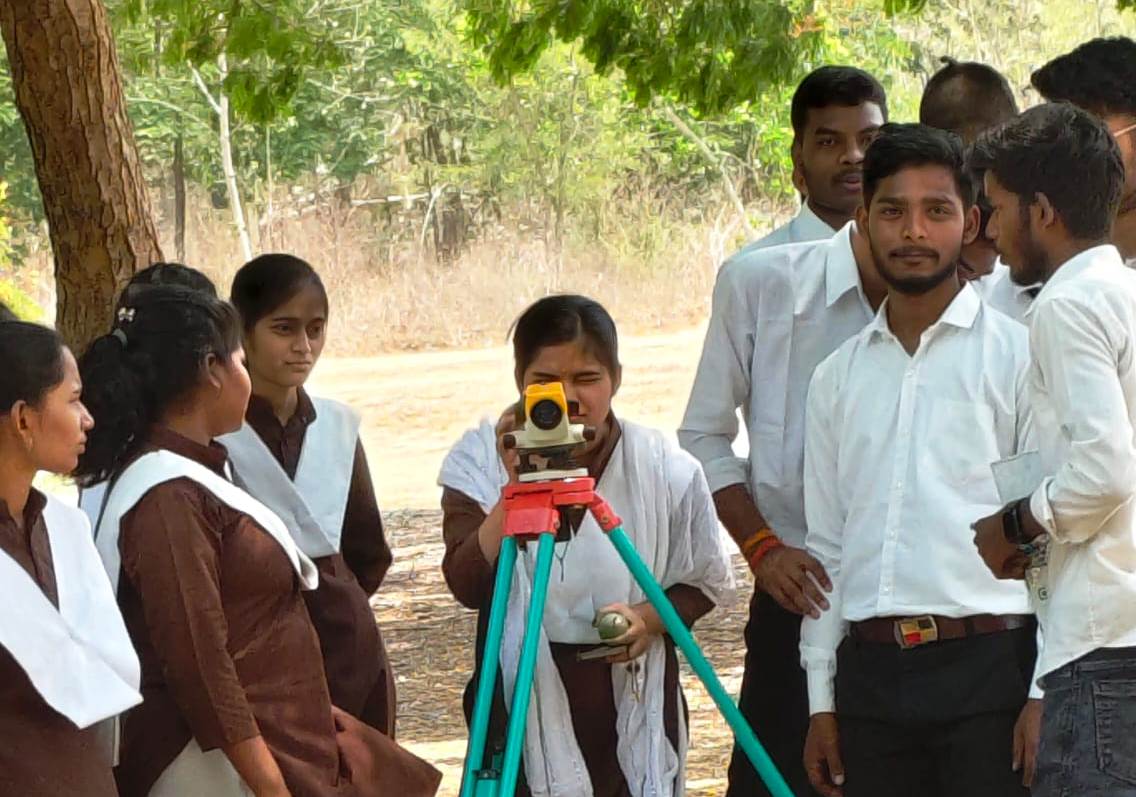
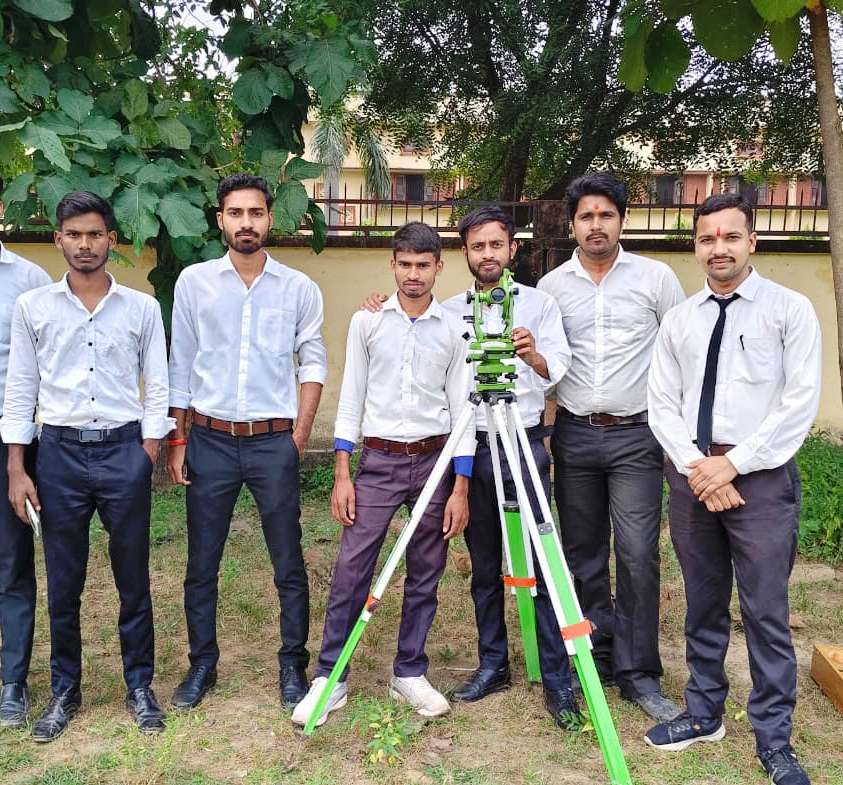
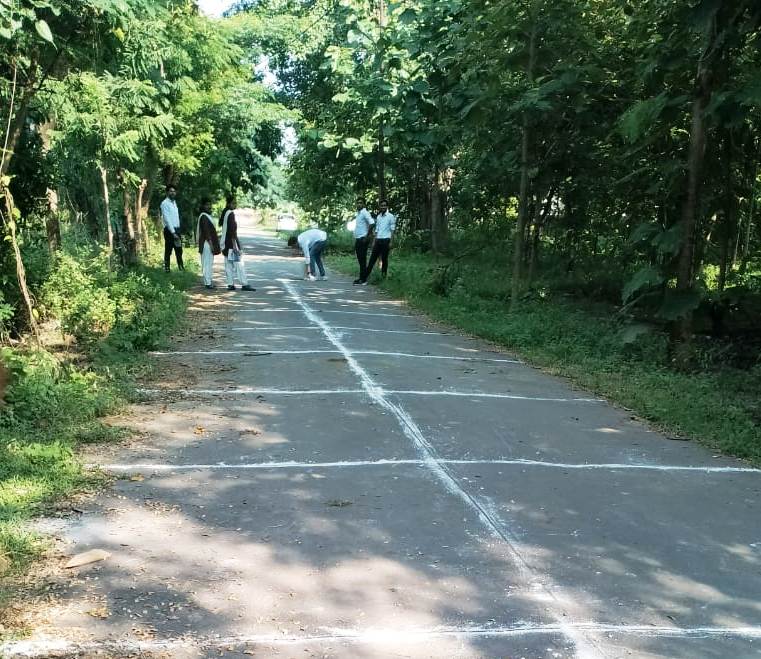
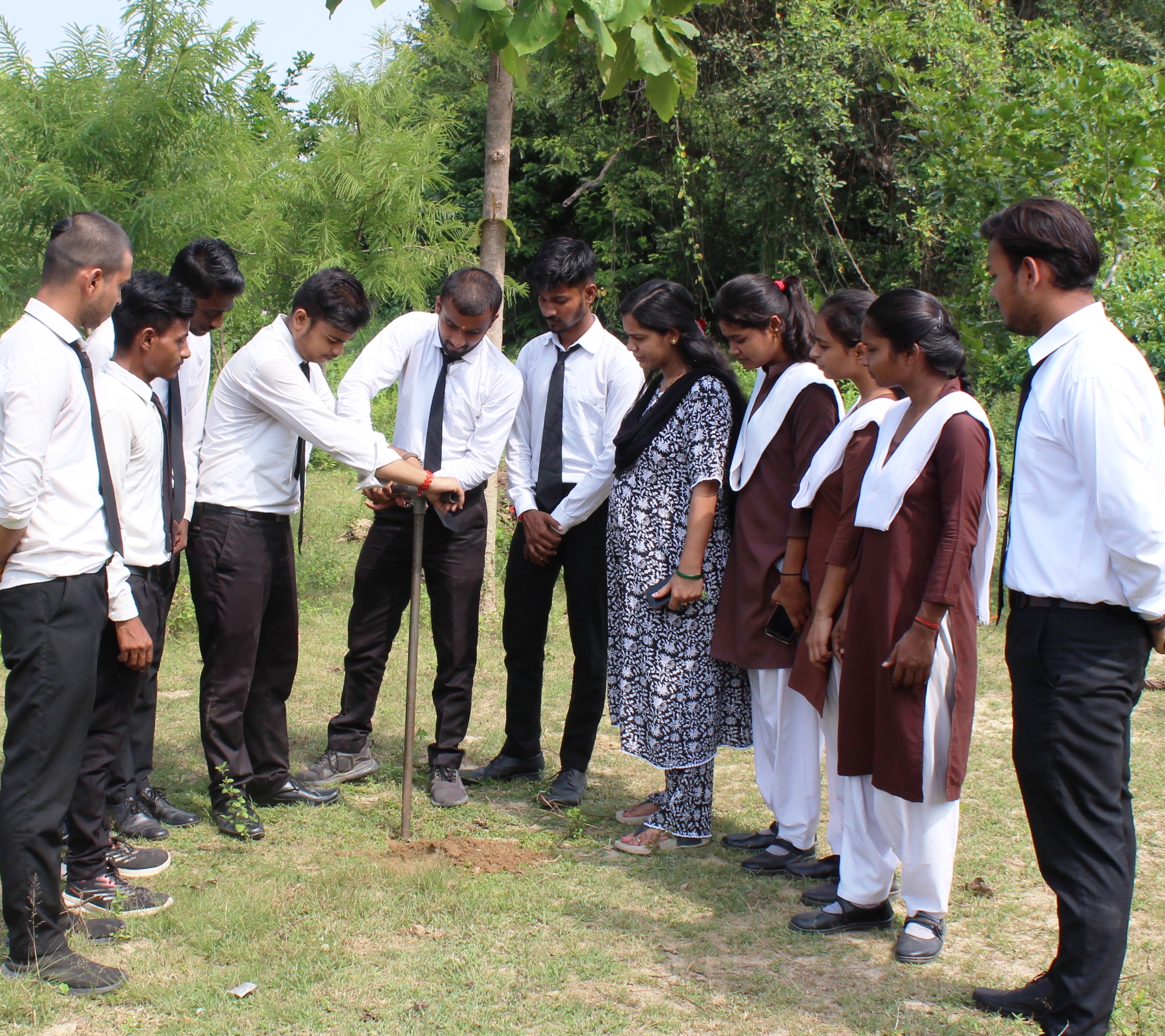
These labs likely cater to different aspects of civil engineering, including materials testing, structural analysis, geotechnical engineering, and surveying.
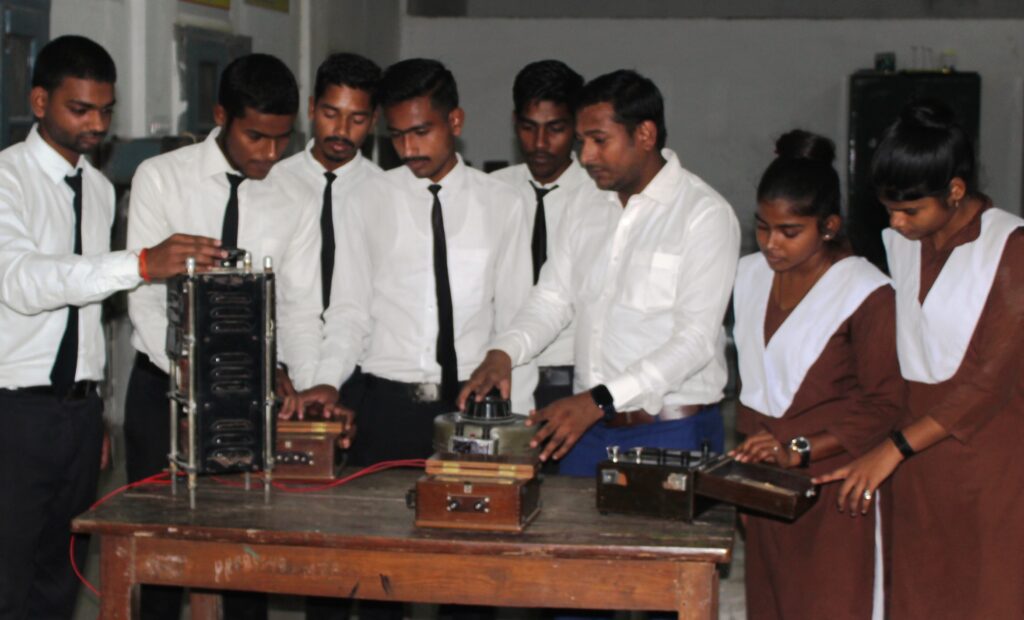
Electrical Engineering:
These labs may cover topics such as electrical circuits, machines, power systems, and control systems, offering practical hands-on experience for electrical engineering students.
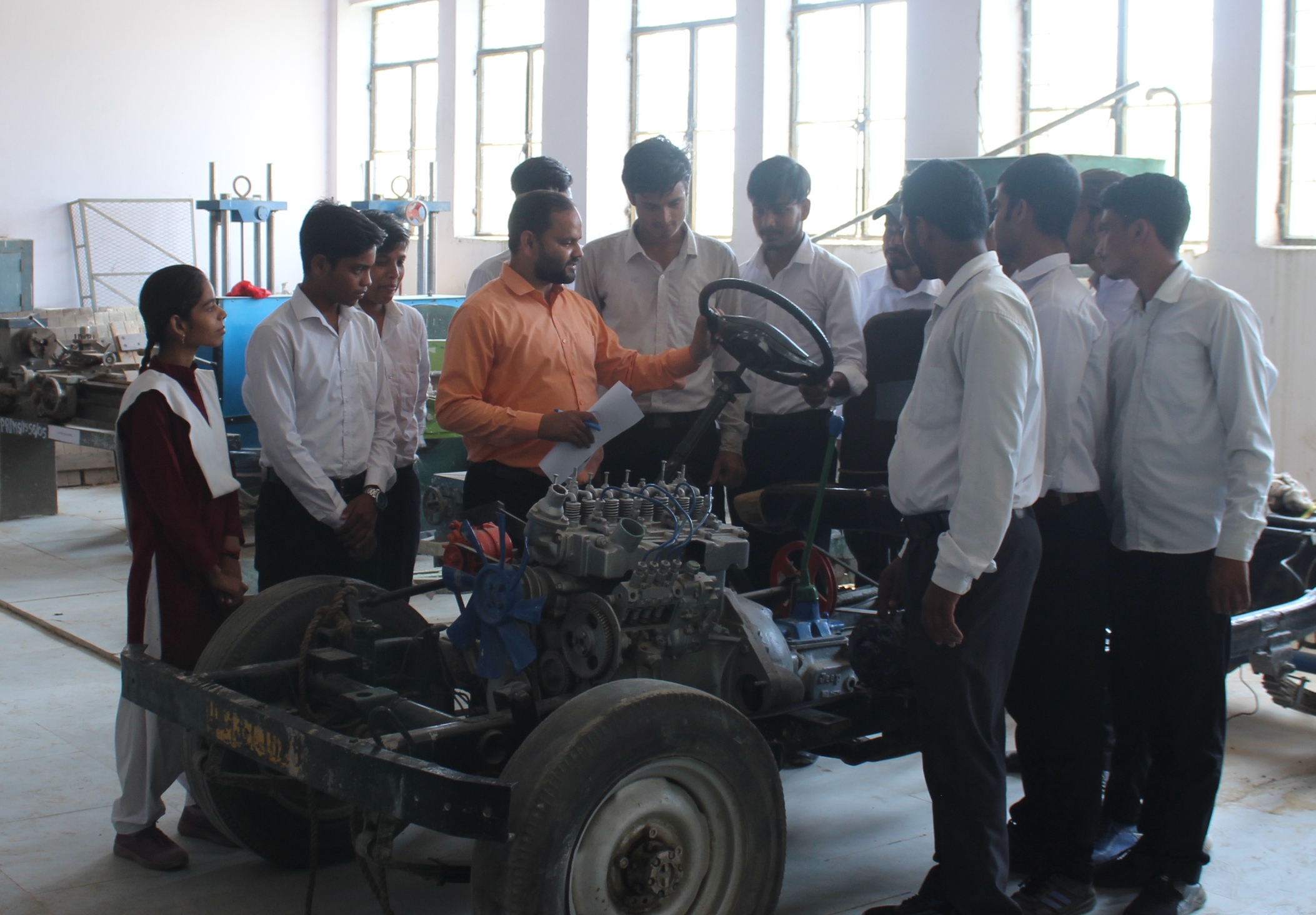
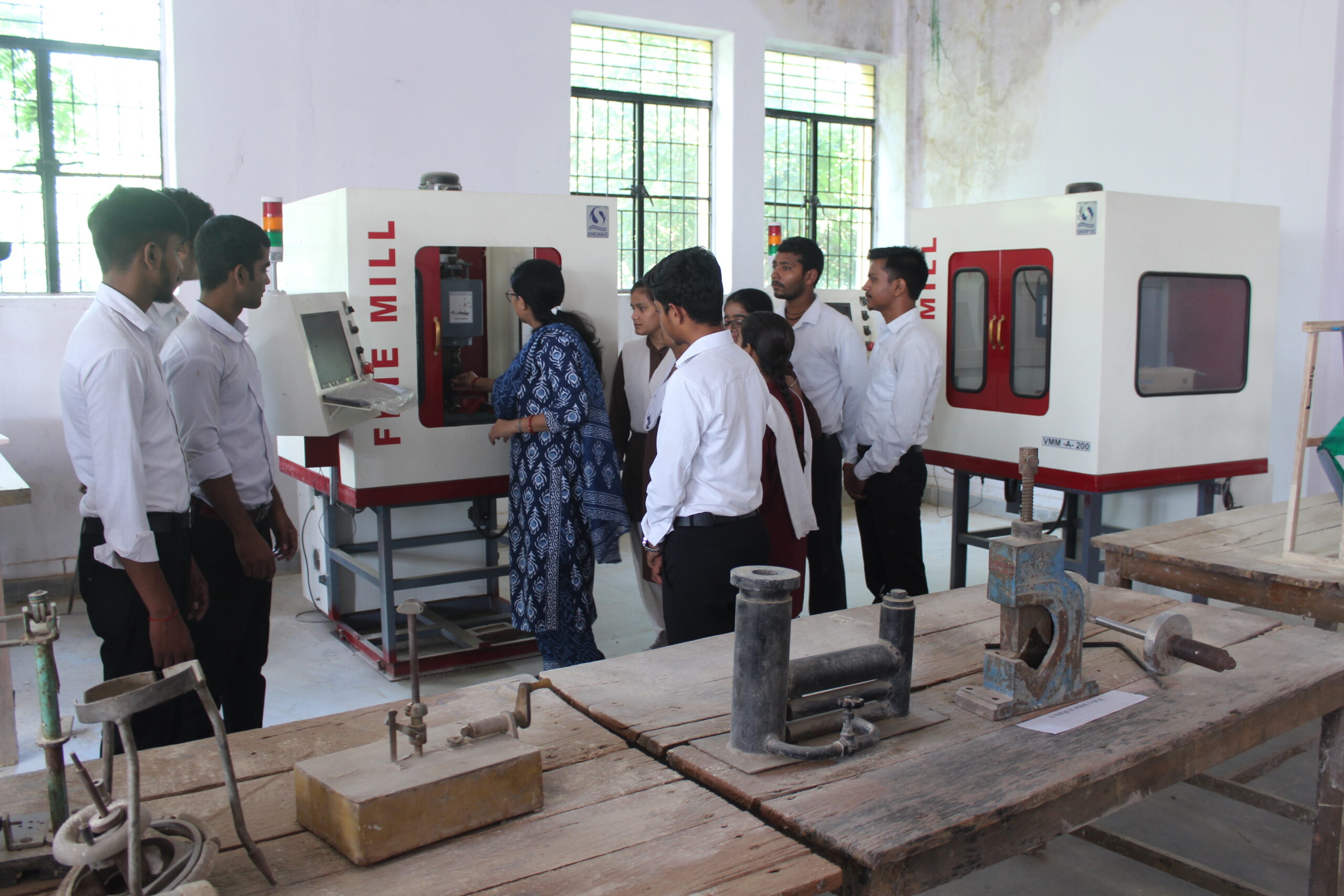
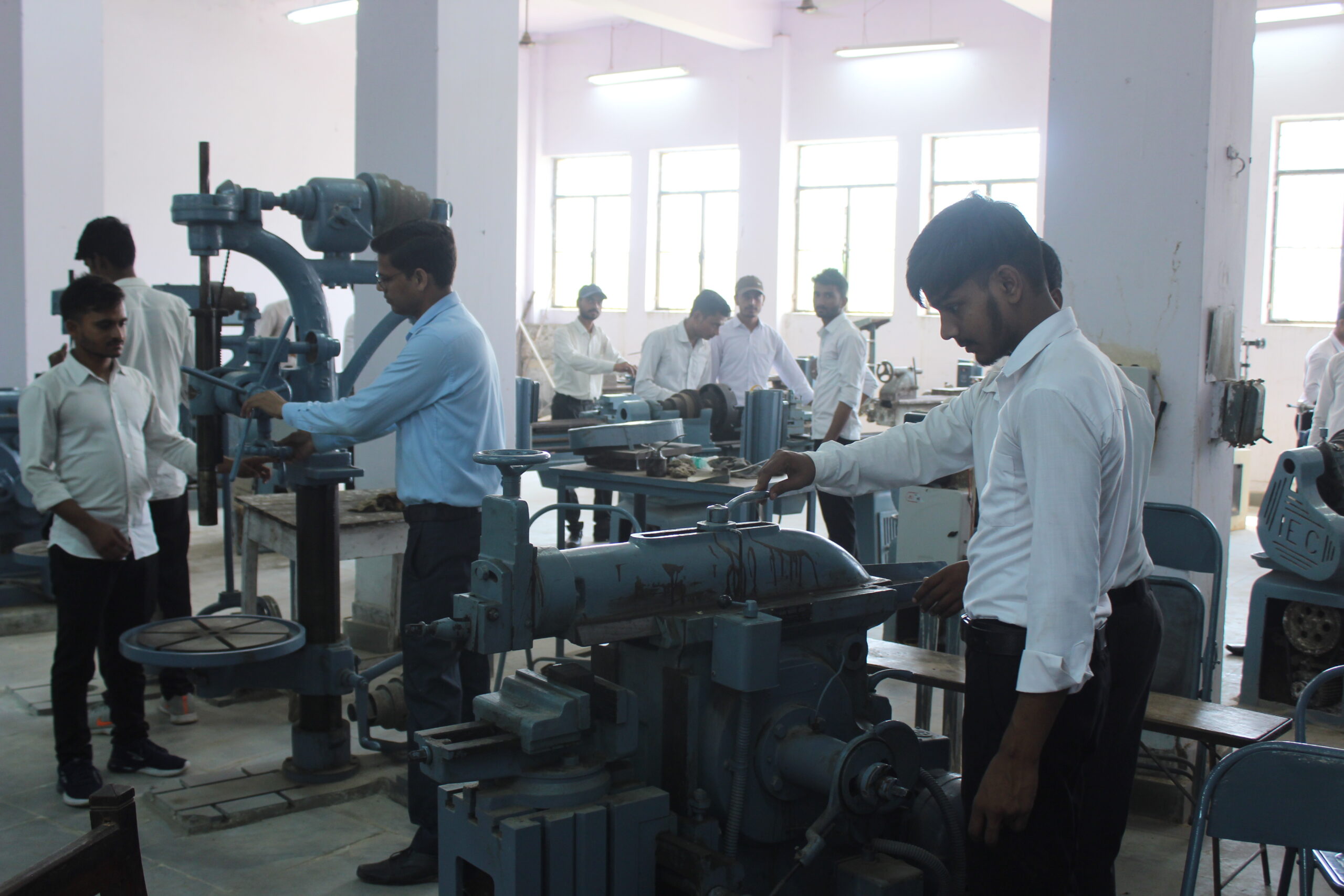
Mechanical Engineering:(Production)
Laboratories in this department might include facilities for manufacturing processes, machine tools, metrology, and quality control related to production engineering
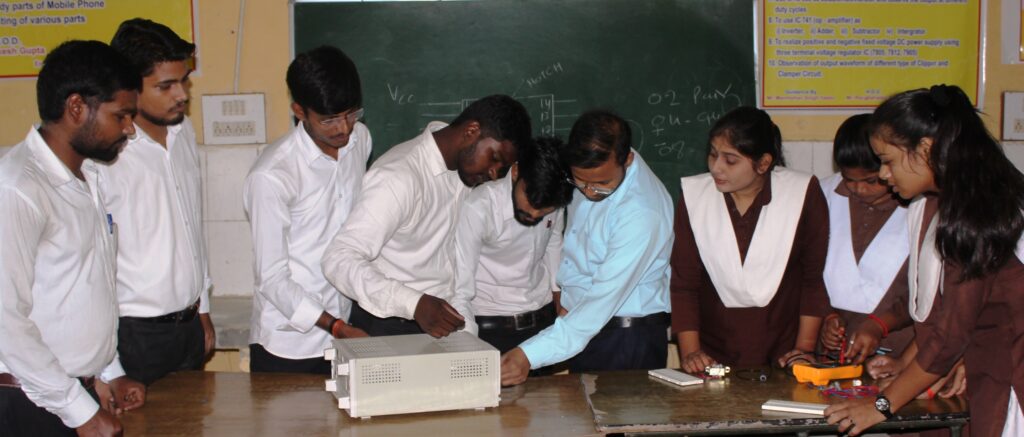
Electronics Engineering:
These labs likely focus on electronics circuit design, digital electronics, microprocessors, and other aspects of electronics engineering.
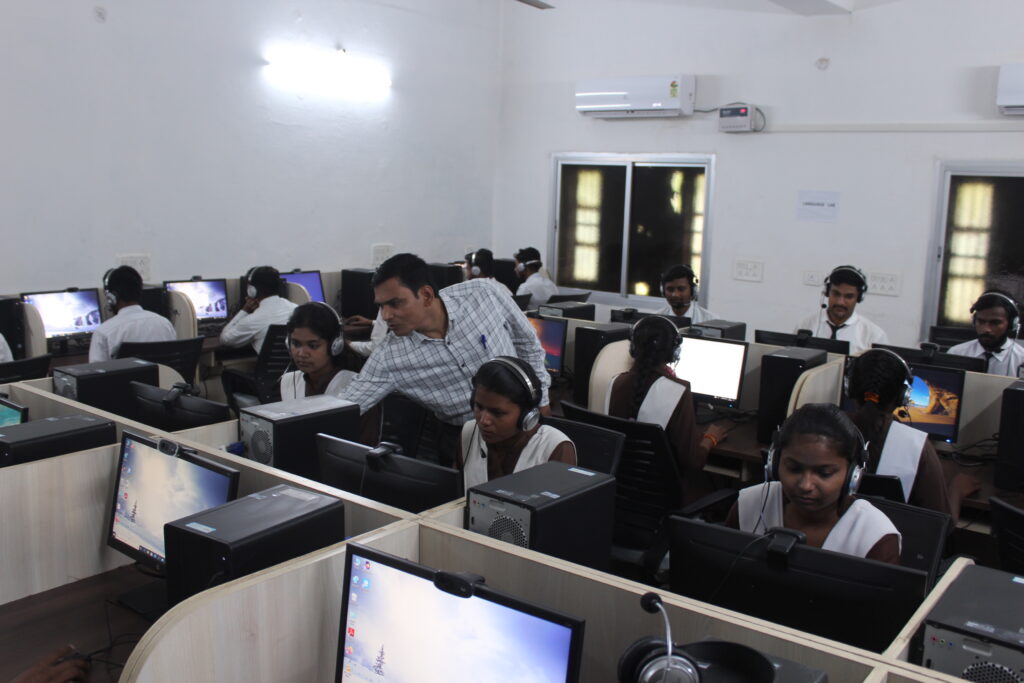
Information Technology :
Laboratories for IT might include computer labs equipped with software, hardware, networking facilities, and resources for programming and software development.
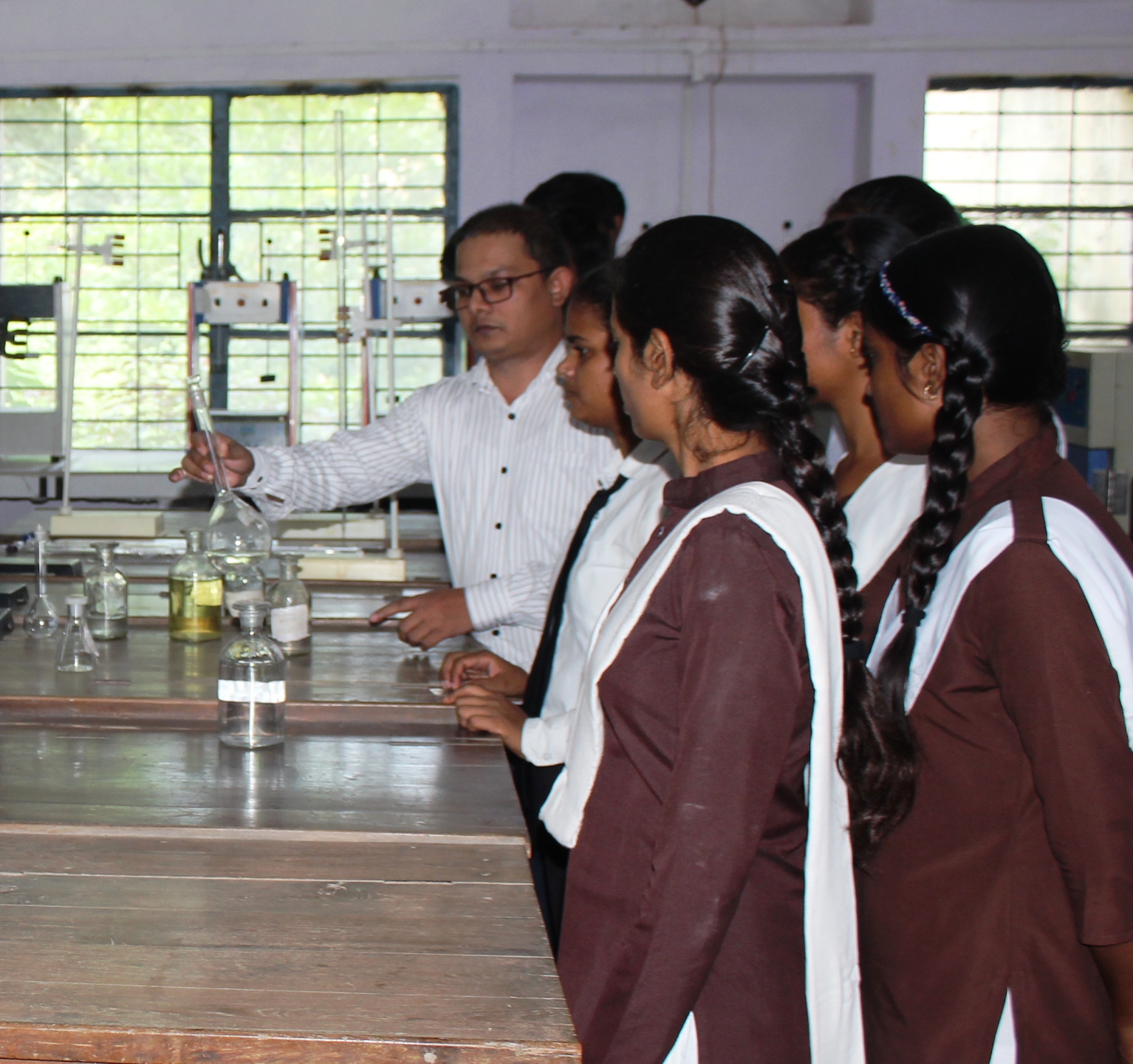
Applied Science & Humanities
These labs might cover subjects like physics, chemistry, and languages, offering practical sessions for fundamental scientific principles and experiments.